Mount Wittenberg Orca Home

Category

Marine Life & Science

16 articles

The Best $15 Whale Watch in America Is a Commuter Ferry

The Best $15 Whale Watch in America Is a Commuter Ferry

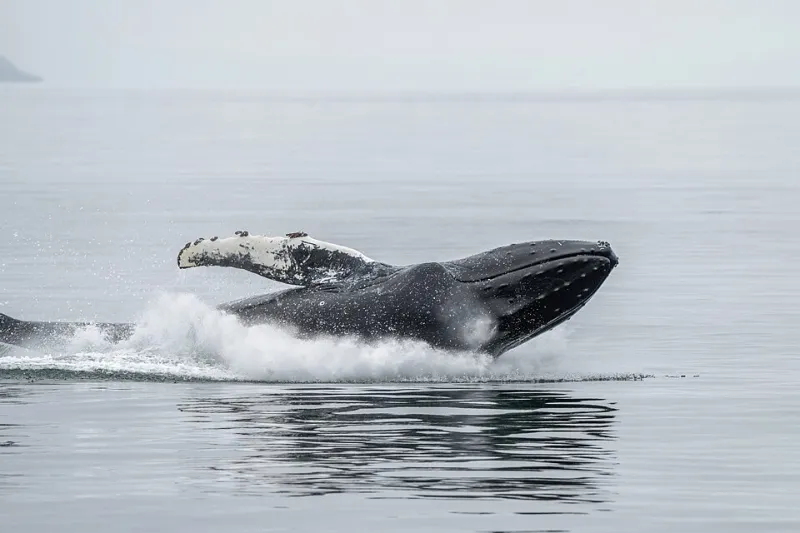
You don't need a $200 tour boat to meet a humpback — you need a schedule, a thermos, and the right deck. Here's how to turn ordinary public ferry routes into some of the best wildlife watching in North America.
The Maps Are Wrong Now: How Pacific Orcas Are Rewriting Their Own Winter Playbook

The Maps Are Wrong Now: How Pacific Orcas Are Rewriting Their Own Winter Playbook

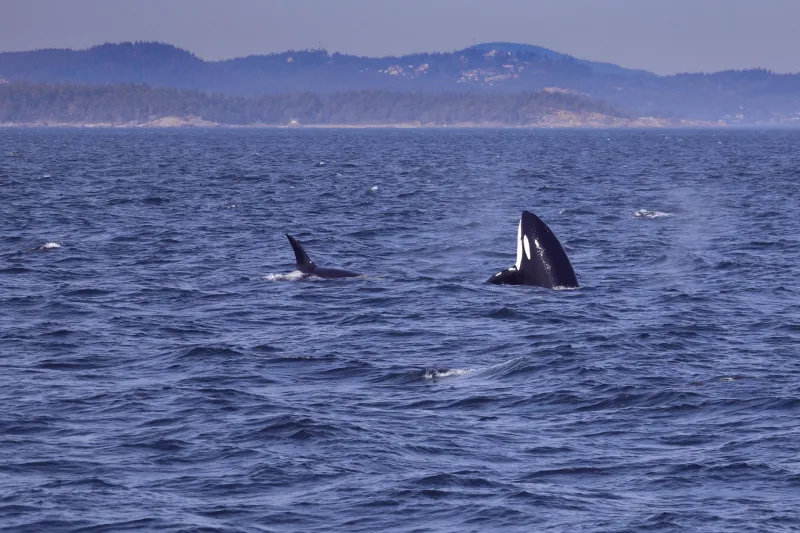
The orca pods that researchers have tracked for decades are showing up in places they have no business being — at least according to the old charts. Scientists and Indigenous knowledge holders are piecing together what's really driving these shifts, and what it means for the future of killer whale conservation in the North Pacific.

When the Killer Whales Came Back, the Whole Ocean Exhaled

When the Killer Whales Came Back, the Whole Ocean Exhaled

Scientists tracking orca recovery in the Pacific Northwest are watching something remarkable unfold beneath the surface: the return of apex predators is quietly rewiring an entire ocean ecosystem. From shifting prey behavior to measurable changes in ocean chemistry, the ripple effects are bigger — and stranger — than anyone expected.

What Whale Fat Is Telling Scientists About a Ocean in Trouble

What Whale Fat Is Telling Scientists About a Ocean in Trouble

Hidden inside the thick blubber of Southern Resident killer whales is a chemical diary — one that scientists are finally learning to read. Advanced lipid analysis is revealing how starvation and toxic pollution are reshaping orca bodies from the inside out, and the story it tells about Pacific Northwest ocean health is deeply unsettling.

She Remembers Where the Salmon Were: The Elder Orcas Holding Their Pods Together

She Remembers Where the Salmon Were: The Elder Orcas Holding Their Pods Together

New research is revealing that the oldest female orcas in a pod aren't just passengers — they're living libraries of survival knowledge that younger whales simply cannot replace. As climate change scrambles the ocean and populations splinter, scientists are asking a sobering question: what happens when grandma is gone?

Clicks, Calls, and Culture: How AI Is Cracking the Orca Communication Code

Clicks, Calls, and Culture: How AI Is Cracking the Orca Communication Code

Researchers are using machine learning to unravel the surprisingly complex vocal dialects of orca populations stretching from Alaska to California. What they're finding isn't just fascinating — it's fundamentally reshaping how we think about whale intelligence, family structure, and culture beneath the waves.

Your Ocean Has a Noise Problem — And Volunteers With Microphones Are Finally Mapping It

Your Ocean Has a Noise Problem — And Volunteers With Microphones Are Finally Mapping It

The ocean is supposed to be one of the most acoustically rich environments on the planet — a symphony of clicks, songs, and biological chatter that marine animals depend on to survive. But decades of industrial noise have turned much of it into something closer to a construction site. A growing army of citizen scientists is dropping hydrophones into the water to find out exactly how bad it's gotten.

Eyes on the Water: Meet the Volunteer Sleuths Revolutionizing Orca Research One Sighting at a Time

Eyes on the Water: Meet the Volunteer Sleuths Revolutionizing Orca Research One Sighting at a Time

From retired fishermen with binoculars to college students with underwater microphones, a loose-knit web of passionate volunteers is quietly transforming what we know about killer whales along America's Pacific coast. These citizen scientists aren't just helping — in some cases, they're outpacing the professionals. Here's how everyday people are rewriting the orca playbook.

What the Whales Already Knew: How Indigenous Ocean Stewards Are Rewriting Marine Science

What the Whales Already Knew: How Indigenous Ocean Stewards Are Rewriting Marine Science

For generations, Native American and First Nations communities have held detailed, intimate knowledge of orca behavior, salmon runs, and ocean health that Western researchers are only now beginning to fully appreciate. Across the Pacific Northwest and beyond, Indigenous-led marine initiatives are scoring real conservation wins — and fundamentally changing how scientists understand the sea. This is the story of a knowledge revolution hiding in plain sight.

Killer Whales Are Smarter Than We Thought — And the Science Is Blowing Minds

Killer Whales Are Smarter Than We Thought — And the Science Is Blowing Minds

New research from the Pacific Northwest is rewriting what we thought we knew about orca cognition. From cooperative hunting strategies to deliberate teaching behaviors, killer whales are proving themselves to be among the ocean's most sophisticated thinkers — and the implications for conservation are enormous.